Beginning with Wealth Management Advisory Firm Fees: A Comparative Guide for Investors, the narrative unfolds in a compelling and distinctive manner, drawing readers into a story that promises to be both engaging and uniquely memorable.
In this comprehensive guide, we will delve into the intricate world of wealth management advisory firm fees, providing valuable insights for investors looking to navigate this financial landscape with confidence.
Understanding Wealth Management Advisory Firms
Wealth management advisory firms play a crucial role in assisting individuals and families in managing their finances, investments, and overall wealth. These firms provide personalized financial planning services tailored to each client's specific goals and needs.
Services Offered by Wealth Management Advisory Firms
- Financial planning: Wealth management advisory firms help clients create comprehensive financial plans to achieve their short-term and long-term financial goals.
- Investment management: These firms provide investment advice and manage clients' investment portfolios to optimize returns and minimize risks.
- Estate planning: Wealth management advisory firms assist clients in creating strategies to preserve and transfer their wealth to future generations.
- Tax planning: These firms help clients minimize their tax liabilities through strategic tax planning strategies.
Types of Wealth Management Advisory Firms
- Private Banks: Private banks offer wealth management services to high-net-worth individuals and provide personalized financial solutions.
- Independent Wealth Managers: Independent wealth managers are financial advisors who offer personalized financial planning services outside of traditional banking institutions.
- Robo-Advisors: Robo-advisors are automated platforms that use algorithms to provide investment advice and portfolio management services at a lower cost.
Overview of Wealth Management Advisory Firm Fees
When it comes to wealth management advisory firm fees, investors need to understand the different fee structures in order to make informed decisions about their financial future. Here, we will detail the various fee models commonly employed by wealth management advisory firms, compare and contrast them, and discuss the factors that influence fee determination.Fee Structures in Wealth Management Advisory Firms
- Flat Fees: Some firms charge a flat fee for their services, regardless of the amount of assets being managed. This can be appealing for investors with larger portfolios.
- Hourly Rates: Other firms charge by the hour for their advisory services. This can be beneficial for investors who only need occasional advice or assistance.
- Percentage of Assets Under Management: Many wealth management firms charge a percentage of the assets they are managing. This fee structure can align the interests of the firm with the performance of the client's portfolio.
Factors Influencing Fee Determination
- Complexity of Financial Situation: The more complex an investor's financial situation is, the more likely they are to pay higher fees for specialized advice and management.
- Amount of Assets Under Management: Typically, the more assets a firm is managing for a client, the lower the percentage fee charged, incentivizing the firm to grow the client's portfolio.
- Scope of Services: The range of services offered by a wealth management firm can impact the fee structure. More comprehensive services may come with higher fees.
Transparency in Fee Disclosure
Transparency in fee disclosure is crucial in the wealth management industry as it helps build trust between firms and investors. When fees are clearly communicated, investors can make informed decisions about their investments and understand the value they are receiving in return for the fees they are paying.Regulations and Standards
- The Securities and Exchange Commission (SEC) requires registered investment advisors to provide a Form ADV Part 2 brochure to clients, which includes information about fees and services offered.
- The Department of Labor's Fiduciary Rule requires financial advisors to act in the best interest of their clients when providing investment advice, including disclosing any conflicts of interest that may influence their recommendations.
- The CFA Institute's Code of Ethics and Standards of Professional Conduct Artikels the duty of wealth managers to disclose all fees and costs associated with managing a client's portfolio.
Benefits of Clear Fee Communication
- Enhanced Trust: Transparent fee disclosure fosters trust between wealth management firms and investors, leading to stronger, long-lasting relationships.
- Improved Decision-Making: When investors have a clear understanding of the fees they are paying, they can better evaluate the overall value proposition of the wealth management services being provided.
- Regulatory Compliance: Clear fee communication ensures that wealth management firms comply with industry regulations and standards, reducing the risk of legal and reputational issues.
Evaluating Fee Efficiency
When it comes to evaluating the efficiency of fees charged by wealth management advisory firms, investors need to consider various factors to determine if the fees are justified and beneficial for their financial goals.
Comparing Fee Structures
One method for assessing fee efficiency is comparing the fee structures of different wealth management advisory firms. Look at the breakdown of fees, including management fees, performance fees, and any additional charges, to understand the total cost of the services provided.
- Compare the fee structures of different firms to see if one offers a better value proposition in terms of services provided versus fees charged.
- Consider if the fees align with the level of service and expertise offered by the firm.
- Look for any hidden fees or additional costs that may impact the overall cost of working with a particular firm.
Impact on Investment Returns
Another important aspect to consider is the impact of fees on investment returns and overall financial goals. High fees can eat into investment returns and reduce the overall growth of your portfolio.
- Calculate the effect of fees on your investment returns over time using a fee calculator or financial planning tool.
- Compare the potential returns of investments with lower fees versus those with higher fees to see the difference in long-term outcomes.
- Consider if the services provided by the firm justify the fees charged and if there are alternative options with lower fees that still meet your financial needs.
Negotiating Fees with Wealth Management Advisors
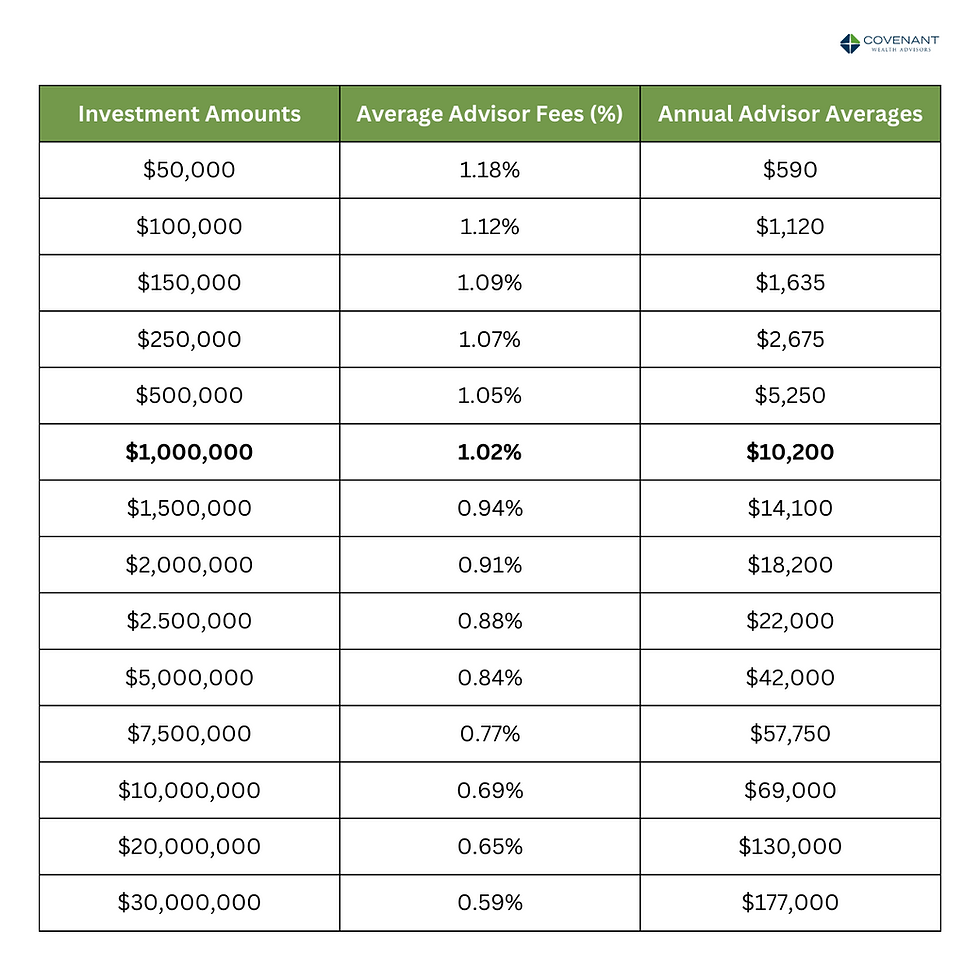 When it comes to negotiating fees with wealth management advisors, investors have a few strategies they can employ to ensure they are getting the best value for their money. It's important to remember that fee negotiations are a common practice and advisors are typically open to discussing fees to some extent.
Strategies for Negotiating Fees
- Do Your Research: Before entering fee negotiations, research industry standards and the typical range of fees charged by wealth management advisors. This will give you a baseline to work from and help you determine if the advisor's fees are reasonable.
- Leverage Competition: If you have received fee quotes from multiple advisors, use this to your advantage during negotiations. Advisors may be more willing to adjust their fees if they know you are considering other options.
- Align Fees with Service: Make sure the fees you are paying align with the level of service and expertise provided by the advisor. If you feel that the fees are too high for the services offered, don't be afraid to bring this up during negotiations.
- Be Open and Honest: Communication is key during fee negotiations. Be honest about your financial goals, expectations, and concerns regarding fees. This transparency can help build trust and lead to a more constructive negotiation process.
- Consider Value-Added Services: If an advisor is charging higher fees, inquire about any additional services or benefits they provide that justify the increased cost. Understanding the value you are receiving can make negotiations more effective.
Closing Summary
As we conclude this detailed exploration of wealth management advisory firm fees, it becomes evident that understanding the nuances of fee structures is crucial for making informed investment decisions. By empowering investors with knowledge and strategies, this guide aims to enhance their financial acumen and decision-making abilities in the realm of wealth management.
Detailed FAQs
What factors influence fee determination in wealth management advisory firms?
Fee determination in wealth management advisory firms is influenced by various factors such as the level of service provided, the complexity of financial needs, and the assets under management. These factors play a significant role in shaping the fee structures offered to investors.
How can investors assess the efficiency of fees charged by wealth management advisory firms?
Investors can assess fee efficiency by comparing the services provided by the firm with the fees charged, evaluating the value proposition in terms of investment returns and financial goals, and seeking transparency in fee disclosures to ensure alignment with their objectives.
What strategies can investors use to negotiate fees with wealth management advisors?
Investors can negotiate fees by leveraging competition among advisors, highlighting industry knowledge to justify fee adjustments, and emphasizing the importance of aligning fees with the quality of service and expertise offered by the advisor. Effective communication and a clear understanding of the services provided are key in fee negotiations.